Commercial HVAC
Climate Control That Supports Business Operations
Commercial HVAC in Athens for maintaining controlled environments in retail spaces, offices, and industrial facilities
Temperature and humidity directly affect employee productivity, inventory integrity, and customer comfort in commercial buildings. Acker Heating & Cooling designs and installs commercial HVAC systems that maintain consistent conditions across varied occupancy loads and operational schedules. Unlike residential systems, commercial equipment must handle zoning requirements, ventilation codes for occupant density, and continuous operation during business hours without failure.
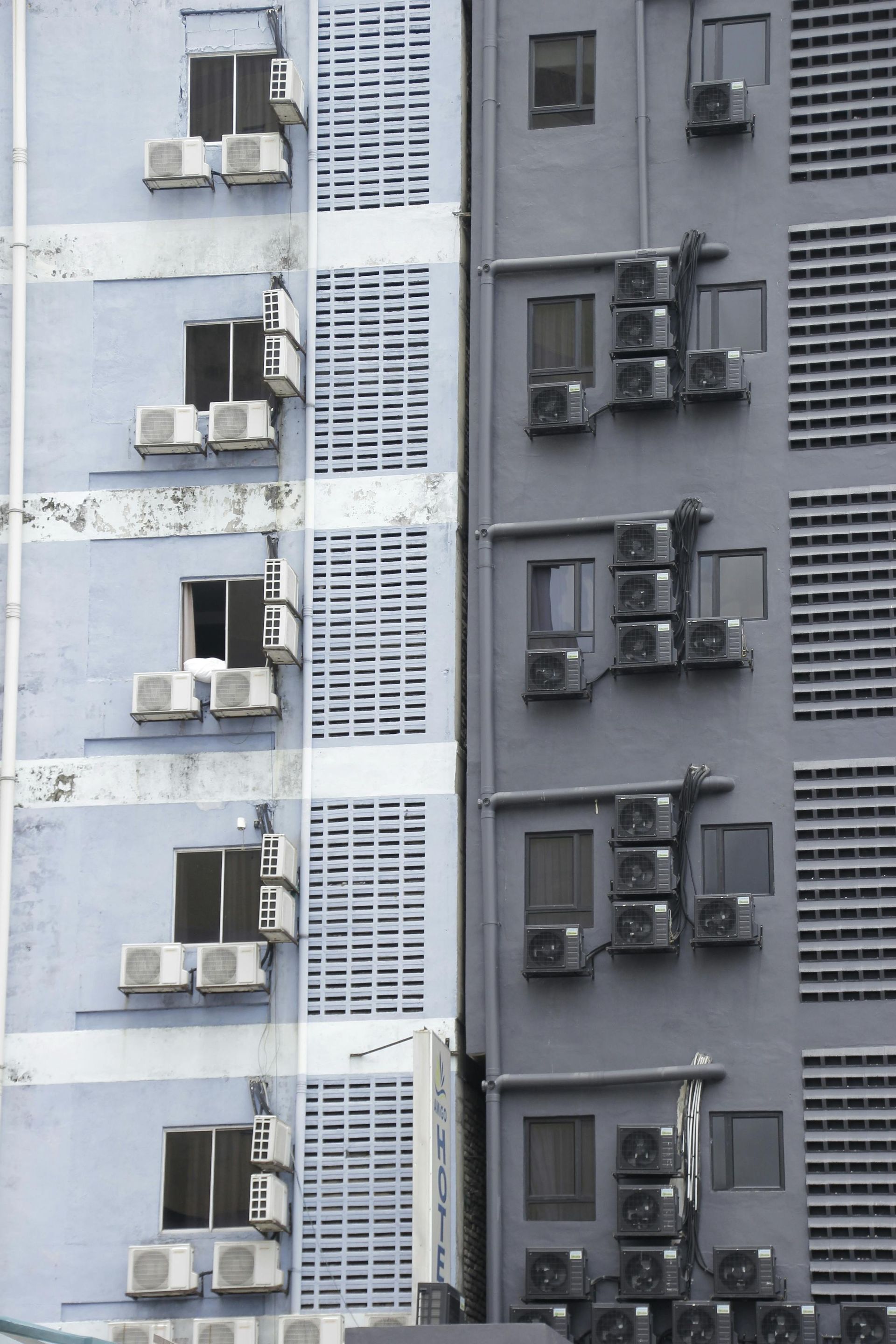
Commercial installations include rooftop packaged units, split systems with multiple air handlers, or variable refrigerant flow systems that allow independent temperature control in different zones. Equipment selection depends on building size, ceiling height, occupancy patterns, and whether the space generates heat from machinery, lighting, or high customer traffic that residential-grade systems cannot manage.
Schedule a facility assessment to evaluate your building's heating and cooling demands and discuss equipment configurations that meet operational requirements.
What Commercial HVAC Installation Involves
Commercial HVAC design begins with calculating heat gain from windows, equipment, lighting, and occupancy, then determining ventilation rates required by building codes for the space's intended use. Systems are engineered to deliver precise airflow to each zone, using dampers and controls that adjust output based on real-time temperature readings and occupancy sensors. Refrigeration circuits, electrical panels, and ductwork are sized to handle peak loads while maintaining efficiency during partial-load conditions common in Athens' shoulder seasons.
After installation completes, your building maintains target temperatures throughout operating hours, ventilation systems introduce fresh air at code-required rates, and individual zones adjust independently without affecting comfort in other areas. The system cycles on and off based on actual demand rather than running constantly, reducing energy costs while preventing the temperature swings that disrupt operations or damage sensitive inventory.
Commercial systems require preventive maintenance contracts that include quarterly filter changes, coil cleaning, refrigerant monitoring, belt inspections, and control calibration to prevent downtime during critical business periods. Service also addresses issues specific to commercial operation, such as economizer troubleshooting, exhaust fan coordination, and building automation integration that residential technicians typically do not encounter.
Answers to Frequent HVAC Questions
Business owners throughout Clarke County ask about equipment longevity, service contracts, and how to avoid disruptions from system failures.
- What is the lifespan of commercial HVAC equipment? Rooftop units and commercial-grade compressors typically operate for fifteen to twenty years with proper maintenance, though components like contactors, capacitors, and control boards require replacement more frequently based on runtime hours and electrical conditions.
- How does zoning work in commercial systems? Each zone has its own thermostat and dampers in the ductwork that modulate airflow based on temperature demand, allowing offices to cool while warehouse spaces heat, or enabling after-hours conditioning in specific areas without running the entire system.
- When should a commercial building switch from multiple small units to a central system? Buildings exceeding ten thousand square feet, facilities with process cooling loads, or properties adding square footage often benefit from centralized equipment that improves efficiency, simplifies maintenance, and provides better humidity control than coordinating several independent units.
- What does a preventive maintenance contract include for commercial HVAC? Scheduled service covers filter replacement, lubrication, coil cleaning, refrigerant checks, electrical testing, control calibration, and priority emergency response to minimize downtime during system failures that affect business operations.
- How do ventilation requirements differ for commercial spaces in Athens? Building codes mandate specific outdoor air exchange rates based on occupancy type, with restaurants, gyms, and high-density retail requiring substantially more fresh air introduction than office spaces, affecting both equipment sizing and energy consumption.
Acker Heating & Cooling engineers commercial HVAC solutions based on your building's occupancy, operational hours, and performance requirements. Contact our team to discuss system design, equipment options, and service agreements that keep your facility comfortable year-round.